Below you will find a number of resources that provide further information on the theory and methods that went into creating the Children’s Photography Archive.
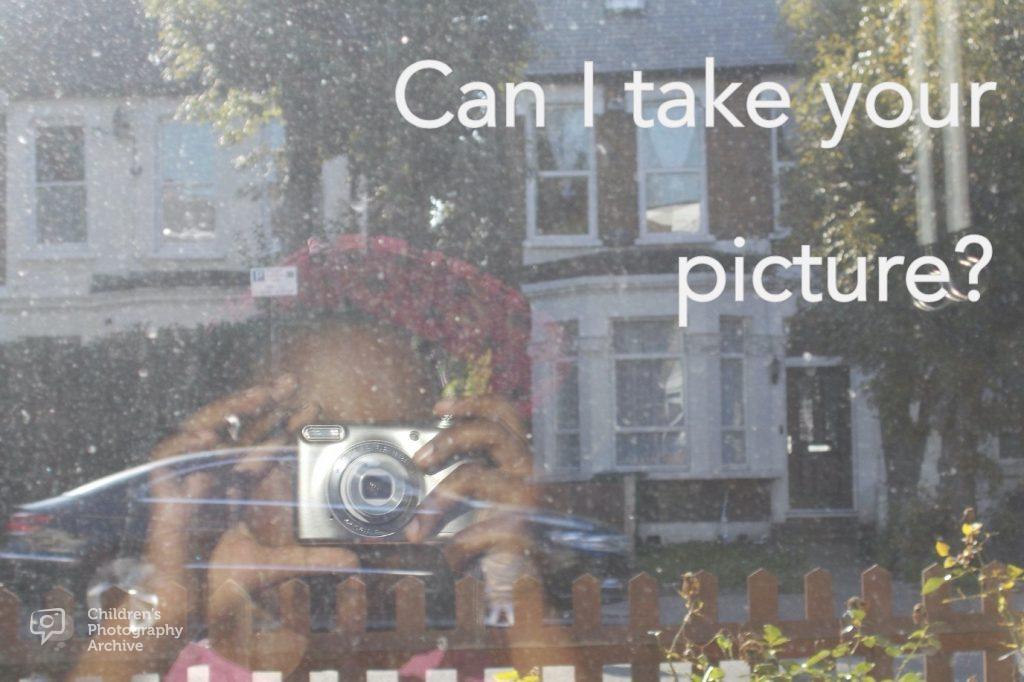
Can I take your picture?
Asking people for permission to take their photograph is really important. Sometimes it’s hard to ask with words so we have created a simple postcard that you can print off and give to anyone you know or don’t know whose photo you would like to take. It allows people to know why you are taking their photograph, what will happen to it, and if, in the future, they decide they no longer want their photograph in the archive they can come to us and ask us to remove it.
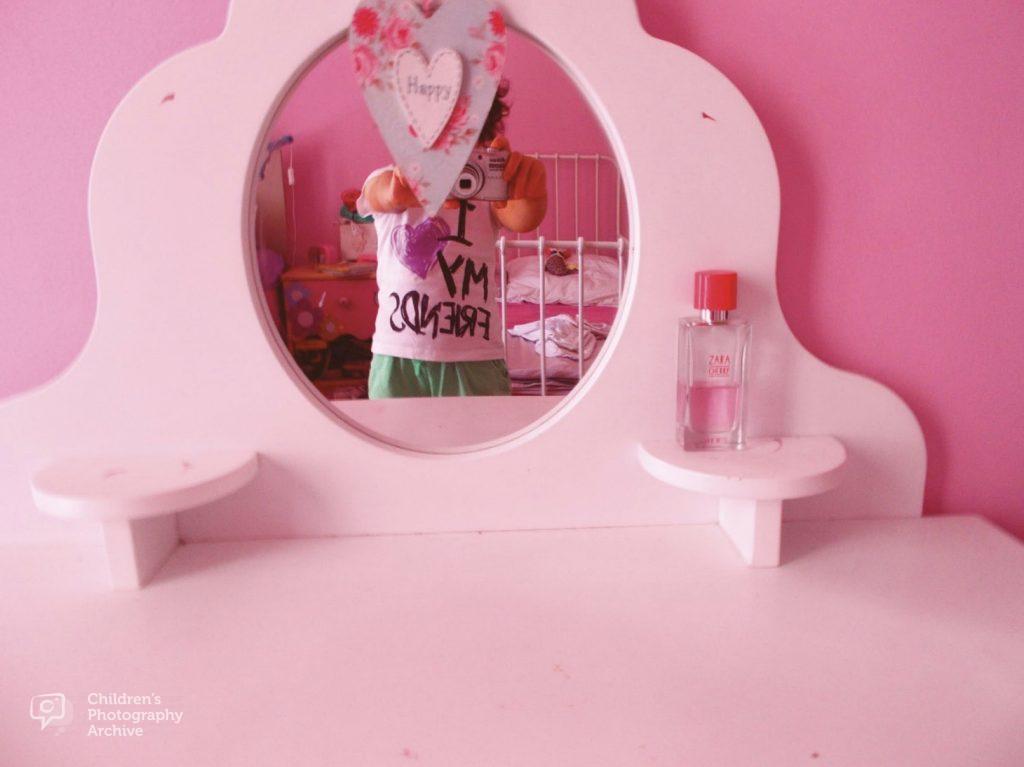
Children as Photographers
In this encyclopaedia article we look at children as photographers. Children are often photographic subjects but thinking about them as behind the camera lens is less common. When can children be photographers? Why do we find it difficult to think about children as photographers? The difficulty of thinking about the child photographer is perhaps unsurprising – a similar fate befell women photographers and photographers of colour, as well as amateur photographers more generally, who until recently were largely written out of photography’s largely white and male history. But as photographic equipment has become more affordable and accessible as well as incorporated in technology that children have ready access to (mobile phones, tablets), it is time, we argue, to think about the child photographer as an everyday possibility.

The Child’s Gaze
An introduction to the Children’s Photography Archive and to the rationale behind its creation.
(You may also browse the catalogue of the CPA kick-off photographic exhibition here).
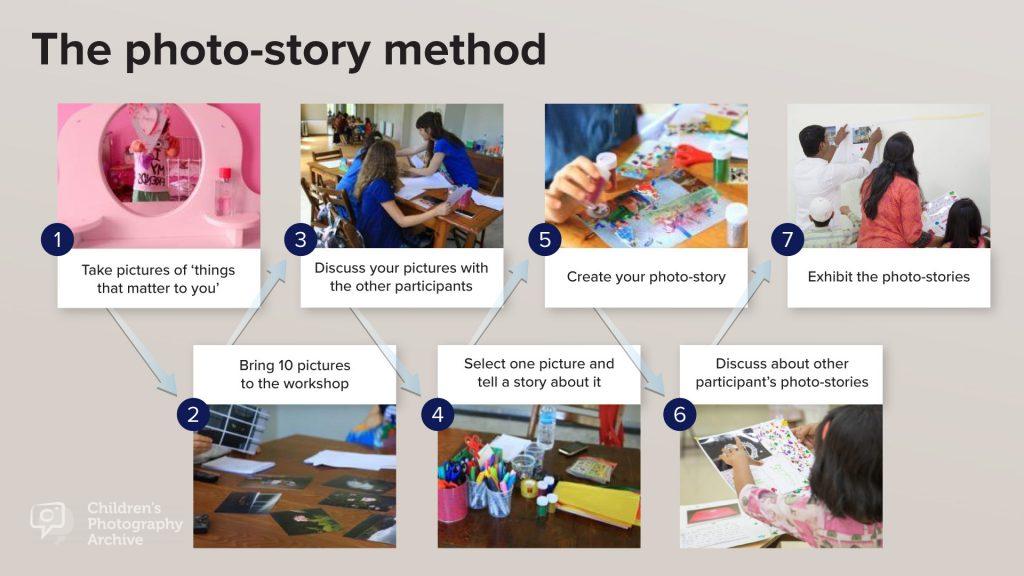
Picturing what really matters: How photo-story research makes the personal, visible
In this magazine article we talk about the ‘photo-story’ research method which combines photography with storytelling. We developed this method on a large international project with primary school aged children by giving them a camera to take photographs of things that mattered to them, bringing children together in a workshop, creating ‘photo-stories’ and running a public exhibition. We think of the method as a way of bringing people together around matters of common concern. A longer academic paper about photography, politics and childhood, and how children connect to the public sphere through photography, can be found here.
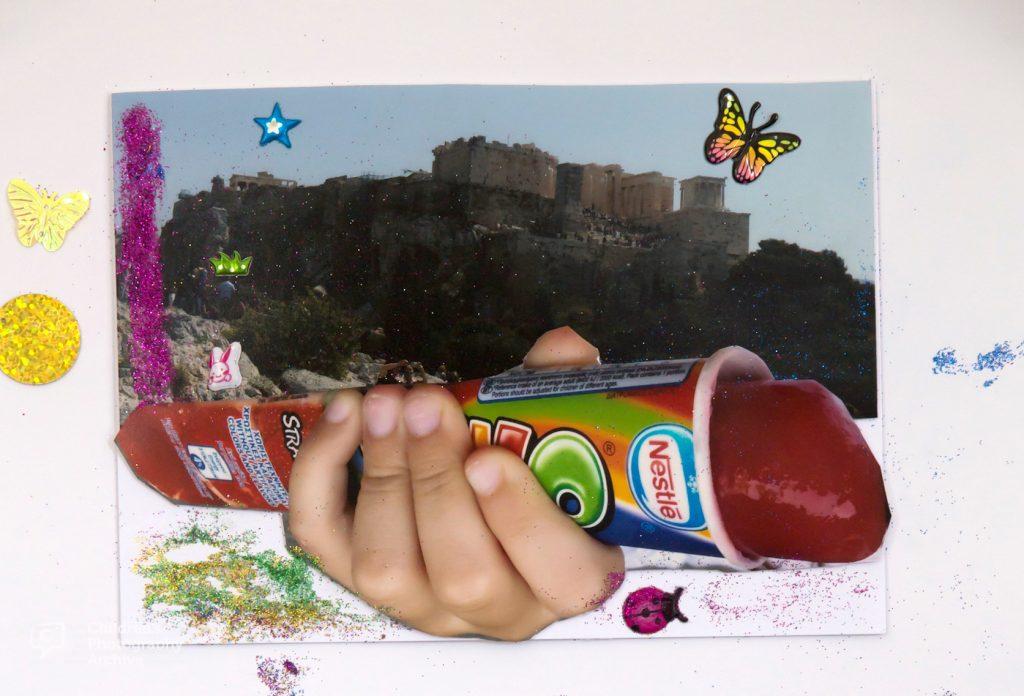
Touching Heritage: Embodied politics in children’s photography
How can we interpret and make sense of children’s photographs, especially when they might be a bit odd, banal, or even silly to our adult eyes? In this academic article, we explore in detail one such instance of banal photography as it happened with children in Athens who took part in our study. Taking our own initial bemusement with children’s photographs of Acropolis as a starting point for analysis, we follow the photographs and children’s discussions of them, with us and in workshops with each other, to think about what they might mean. We argue that photographs are not only visual records of the monument but also a way for children to communicate belonging, heritage and politics through their bodies and in particular, their gaze and their touch.
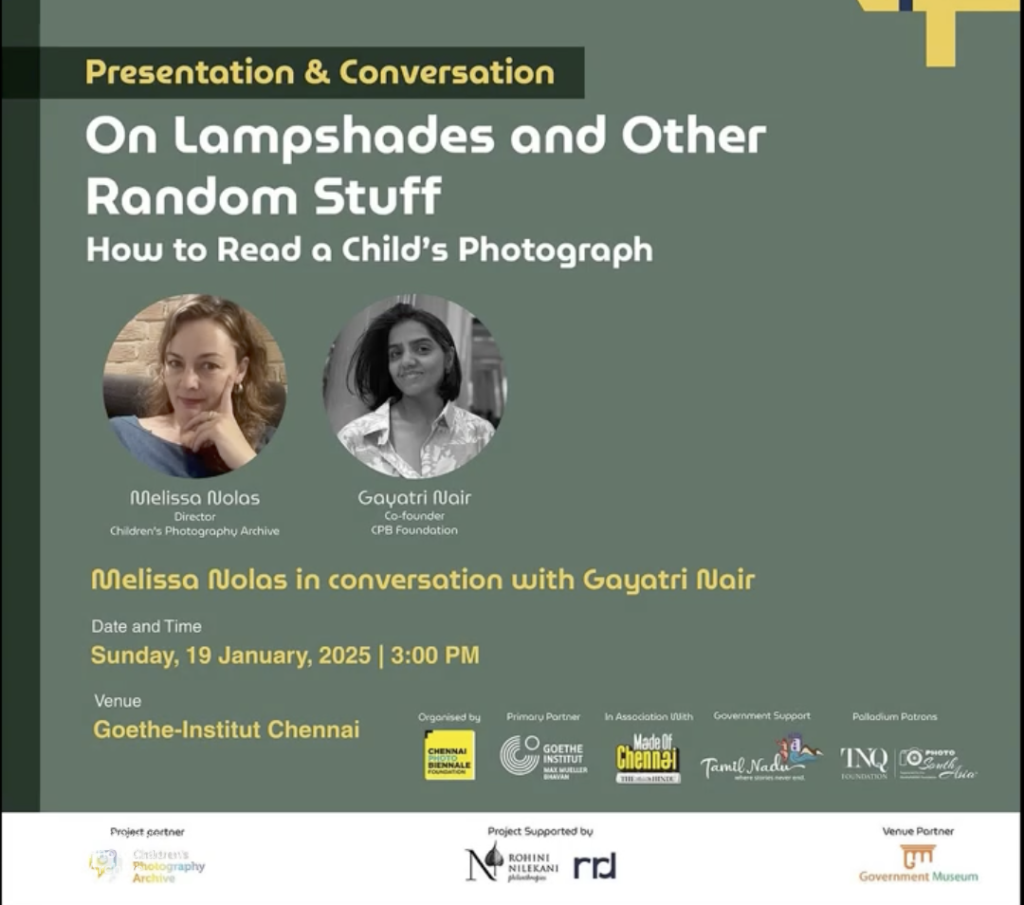
On Lampshades & Other Random Stuff: How to Read a Child’s Photograph
What happens when our toddlers and small children usurp our camera phones? Do we keep the myriad images of seemingly ‘random stuff’ or do we swip past and delete them? In this talk, director of the Children’s Photography Archive and visual sociologist Melissa Nolas explores the world of camera wielding children as that was shared with her by seven year olds in her research. She argues that far from ‘random stuff’ the things that children photograph in their everyday life, while sometimes perplexing to the grown-ups around them ,reveal much about their gaze onto the world, and what moves and matters to them in their everyday lives.